When life gets busy, having a well-stocked pantry and the know-how to plan meals from it can be a real lifesaver. Using pantry staples to create meals not only helps save money but also reduces food waste and cuts down on last-minute grocery runs. Whether you’re a seasoned cook or just starting, learning how to plan meals from pantry essentials can make your cooking routine smoother and more enjoyable.
In this post, we’ll explore how to effectively use pantry staples to plan tasty, balanced meals, step by step.
What Are Pantry Staples?
Pantry staples are the non-perishable ingredients you keep on hand that form the base of many meals. These typically include:
– Canned goods (beans, tomatoes, vegetables)
– Dry grains and pasta (rice, quinoa, spaghetti)
– Baking essentials (flour, sugar, baking powder)
– Oils and vinegars (olive oil, vegetable oil, balsamic vinegar)
– Spices and herbs (salt, pepper, garlic powder, dried oregano)
– Nuts and seeds
– Broths and stocks (canned or powdered)
Keeping these basics stocked ensures you have the building blocks for endless meal options.
Step 1: Take Inventory of Your Pantry
Before you start planning meals, take a few minutes to inventory what you already have. This will help you avoid buying duplicates and inspire recipe ideas based on what’s available.
– Pull items out and categorize them (grains, canned goods, spices, etc.)
– Note expiration dates and plan to use those expiring soonest
– Jot down any staple ingredients you’re low on, so you can restock later
Step 2: Choose a Meal Planning Method
There are several ways to plan meals from your pantry staples. Here are two effective approaches:
1. Theme-Based Weekly Planning
Assign meal themes to each day, such as:
– Meatless Monday (using beans or lentils)
– Taco Tuesday (using canned beans and salsa)
– Pasta Wednesday (using dry pasta and canned tomatoes)
– Stir-Fry Thursday (using rice and canned vegetables)
– Soup or Stew Friday (using broth and canned or frozen veggies)
This method narrows down your options and makes shopping or using pantry ingredients straightforward.
2. Ingredient-Centered Planning
Focus on one or two main pantry staples and build meals around them. For example:
– Use canned chickpeas to make hummus, salads, and curries
– Use rice as a base for fried rice, rice bowls, or soups
– Use canned tomatoes for pasta sauce, chili, or shakshuka
This approach helps you get creative and make the most of what’s on hand.
Step 3: Find or Create Simple Recipes
Having a handful of go-to recipes that rely on pantry staples helps speed up meal prep. Here are some easy ideas:
– Chickpea Curry: Sauté onions, garlic, and spices with canned chickpeas and canned tomatoes. Serve over rice.
– Pasta with Tomato Sauce: Use canned tomatoes, garlic, olive oil, and herbs to make a fresh tomato sauce.
– Rice and Bean Bowl: Combine cooked rice, canned beans, corn, and salsa. Add avocado or cheese if available.
– Vegetable Soup: Use broth, canned vegetables, and any fresh or frozen veggies you have.
– Quick Pancakes: Use flour, baking powder, sugar, milk (or substitute), and eggs for basic pancakes.
You can find many more recipes online or adapt your favorites by swapping in pantry staples.
Step 4: Mix Pantry Staples with Fresh or Frozen Ingredients
While pantry staples are great, adding fresh or frozen vegetables, fruits, and proteins will round out your meals with extra nutrients and flavor. Some tips:
– Keep frozen vegetables for last-minute additions to stir-fries and soups.
– Buy fresh herbs like cilantro or parsley to brighten up dishes.
– Incorporate fresh garlic, onions, and lemons for added zest.
Step 5: Plan for Batch Cooking and Leftovers
Using pantry staples is perfect for batch cooking. Prepare large portions of soups, stews, or casseroles, then refrigerate or freeze leftovers. This helps save time on busy days and makes meal planning easier.
Step 6: Keep Your Pantry Organized
An organized pantry makes meal planning and cooking less stressful. Consider:
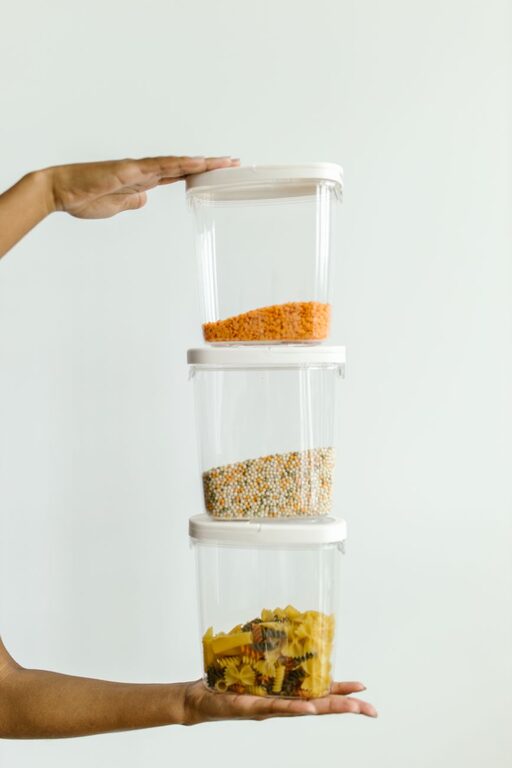
– Using clear containers for dry goods
– Labeling cans with expiration dates
– Grouping items by type or meal use
– Keeping frequently used items within easy reach
Tips to Maximize Pantry Meal Planning Success
– Be flexible: Don’t stress if your meal plan needs adjusting; swap ingredients as needed.
– Experiment with spices: They can transform simple pantry staples into flavorful meals.
– Use apps or meal planners: Tools can help you organize recipes and shopping lists.
– Stay stocked: When you run low on staples, replenish promptly to avoid empty shelves.
– Consider dietary needs: Adjust spices, proteins, or carbs to fit your preferences.
Final Thoughts
Meal planning from pantry staples is a smart, cost-effective way to maintain a healthy and enjoyable diet. With a little preparation and creativity, you can turn everyday ingredients into satisfying meals for you and your family. Start by taking stock of your pantry, pick a planning method that fits your lifestyle, and keep a few simple recipes on hand. Soon, cooking from your pantry will become second nature. Happy eating!
About the Author