Planning balanced meals doesn’t have to be complicated or stressful. With a little guidance and some simple strategies, you can create satisfying, nutritious meals that support your health and fit into your busy life. This guide will walk you through easy steps to plan balanced meals without feeling overwhelmed.
Why Balanced Meals Matter
Balanced meals provide your body with the essential nutrients it needs to function well. They help maintain energy levels, support mood and concentration, and promote overall health. A balanced meal typically includes a combination of:
– Proteins (like chicken, beans, tofu)
– Carbohydrates (whole grains, vegetables, fruits)
– Healthy fats (nuts, seeds, olive oil)
– Fiber (vegetables, fruits, legumes)
Incorporating a variety of these components ensures you’re getting a broad range of vitamins and minerals.
Step 1: Keep It Simple
You don’t need to prepare gourmet dishes to eat well. Start by focusing on simple meals that use familiar ingredients. For example:
– Grilled chicken with roasted vegetables and quinoa
– Stir-fried tofu with mixed veggies and brown rice
– Lentil soup with whole-grain bread and a side salad
Simple meals are easier to prepare and help reduce cooking stress.
Step 2: Plan Ahead for the Week
Spending a few minutes each week planning your meals can save time and reduce mealtime anxiety.
– Choose your recipes: Pick 3-5 meals you enjoy and rotate them.
– Make a grocery list: Write down ingredients to avoid multiple trips.
– Prep ingredients: Wash and chop vegetables or cook grains ahead of time.
Planning ahead helps you avoid last-minute decisions and unhealthy takeout.
Step 3: Use the Plate Method
The plate method is an easy visual tool to build balanced meals without fuss.
– Fill half your plate with vegetables or salad.
– Allocate one-quarter to protein.
– Use the remaining quarter for whole grains or starchy vegetables.
This method ensures you get a well-rounded meal with the right portions.
Step 4: Embrace Meal Prep
Meal prepping can be a huge stress reliever. Set aside an hour or two on the weekend or a less busy day to:
– Cook proteins in bulk (e.g., bake chicken breasts or boil eggs).
– Prepare grains like rice or pasta.
– Chop veggies and store them in containers.
Having ingredients ready makes it easy to assemble healthy meals throughout the week.
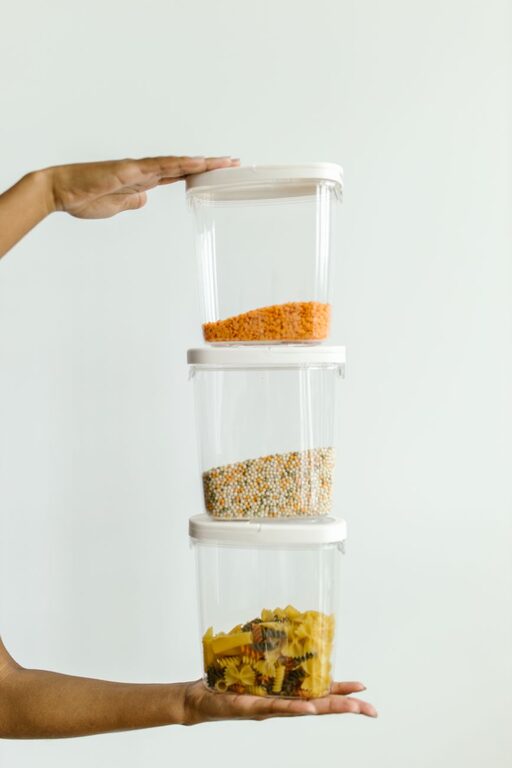
Step 5: Keep Healthy Staples on Hand
Stock your kitchen with versatile ingredients that make meal prep easier. Some ideas include:
– Canned beans and lentils
– Frozen vegetables and fruits
– Whole-grain pasta, rice, or quinoa
– Nut butters and healthy oils
– Herbs and spices for flavor
These staples can help you create quick and balanced meals without extra shopping trips.
Step 6: Listen to Your Body
Balanced meals should nourish both body and mind. Pay attention to your hunger and fullness cues:
– Eat when you’re hungry, not out of habit or boredom.
– Stop eating when you feel satisfied, not stuffed.
– Choose foods that make you feel good and energized.
This mindful eating approach helps reduce stress around food and supports healthy habits.
Tips to Reduce Meal Planning Stress
– Start small: Don’t overhaul your diet overnight. Make gradual changes.
– Be flexible: It’s okay to swap ingredients or meals based on what you have.
– Use leftovers: Repurpose them for quick lunches or dinners.
– Get help: Share meal planning and cooking duties with family or friends.
– Try new recipes occasionally: To keep mealtimes interesting but don’t feel pressured.
Sample Balanced Meal Ideas
Here are a few ideas to get you started:
– Breakfast: Greek yogurt with berries, nuts, and a drizzle of honey.
– Lunch: Turkey and avocado wrap with mixed greens and a side of carrot sticks.
– Dinner: Baked salmon, steamed broccoli, and sweet potato mash.
– Snack: Apple slices with almond butter.
Final Thoughts
Planning balanced meals without stress is all about preparation, simplicity, and flexibility. By following these easy steps, you can nourish your body, save time, and enjoy mealtimes more. Remember, balance and consistency matter more than perfection.
Start small, plan ahead, and find what works best for you. Healthy eating can be enjoyable and manageable with the right approach!
About the Author