Bringing fresh herbs into your kitchen by growing them indoors is a rewarding and practical hobby. Whether you have limited outdoor space or want fresh flavors year-round, starting a small indoor herb garden is easier than you might think. This guide will walk you through everything you need to know to get your indoor herb garden up and growing.
Why Grow Herbs Indoors?
Growing herbs inside your home offers several benefits:
– Freshness: Pick herbs whenever you need them, ensuring maximum flavor.
– Convenience: Herbs are close to your kitchen for quick access.
– Year-round growth: Indoor conditions allow herbs to thrive regardless of season.
– Space-saving: Perfect for apartments or homes without outdoor gardens.
– Decorative: A small garden of green plants adds beauty and freshness to your space.
Choosing the Right Herbs for Indoor Growing
Not all herbs thrive indoors, so start with varieties that are easy to care for and adapt well to indoor light and temperature. Some great options include:
– Basil: Loves sunlight and warmth.
– Parsley: Grows well in moderate light.
– Chives: Tolerant of lower light.
– Mint: Vigorous grower, keep in its own pot to prevent spreading.
– Thyme: Prefers bright light and well-drained soil.
– Cilantro: Best with ample light and cooler temperatures.
– Oregano: Thrives with good light and well-drained soil.
What You’ll Need to Get Started
Gather the following supplies before you begin:
– Containers: Pots with drainage holes are essential. Choose sizes around 4 to 6 inches for most herbs.
– Potting mix: Use a well-draining, high-quality potting soil formulated for indoor plants.
– Seeds or starter plants: Beginners may find young plants easier to work with than seeds.
– Watering can or spray bottle: For gentle watering.
– Light source: A sunny windowsill or grow lights if natural light is limited.
– Labels: Optional, but helpful for keeping track of different herbs.
Step-by-Step Guide to Starting Your Herb Garden
1. Select Your Location
Most herbs need at least 6 hours of sunlight daily. A south- or west-facing window usually works best. If natural light is insufficient, consider using LED grow lights placed about 6-12 inches above the plants for 12-16 hours per day.
2. Prepare Your Containers
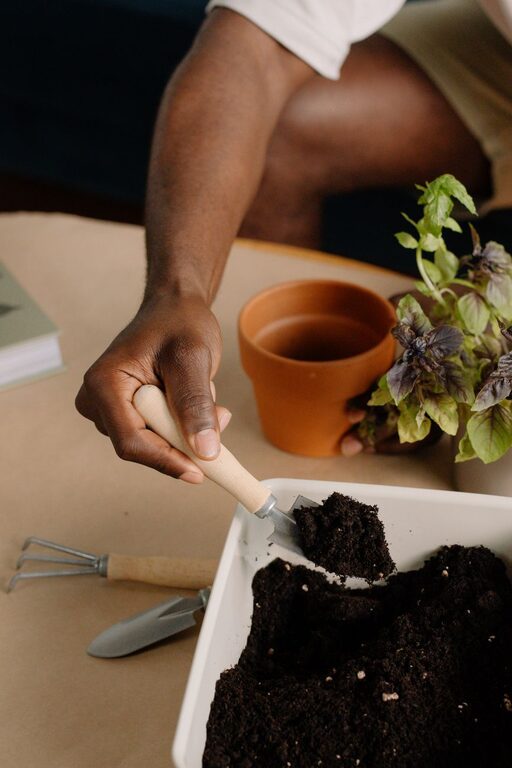
Fill your pots with potting mix, leaving about an inch of space at the top for watering. Make sure the pots have drainage holes to prevent waterlogging, which can lead to root rot.
3. Planting Seeds or Seedlings
– Seeds: Plant seeds according to the depth instructions on the packet. Cover lightly with soil, water gently, and keep the soil moist.
– Seedlings: If using young plants, carefully loosen the root ball and place it in the pot. Fill around the roots with soil, firm lightly, and water.
4. Watering Properly
Herbs prefer slightly moist soil but dislike soggy conditions. Water when the top inch of soil feels dry. Use a watering can with a narrow spout or a spray bottle to avoid disturbing the soil.
5. Feeding Your Herbs
Feed your indoor herbs with a balanced liquid fertilizer every 4 to 6 weeks. Dilute it to half the recommended strength to keep plants healthy without overfeeding.
6. Pruning and Harvesting
Regular harvesting encourages growth. Pinch back the tips to prevent flowering, which can affect flavor. Harvest leaves in the morning for best flavor, and avoid removing more than one-third of the plant at a time.
Troubleshooting Common Issues
– Leggy Growth: Indicates insufficient light. Move herbs closer to light or provide supplemental grow lights.
– Yellow Leaves: Could mean overwatering. Let soil dry a bit before watering again.
– Pests: Indoor plants can attract aphids or spider mites. Wipe leaves and consider natural remedies like neem oil.
– Slow Growth: Check that plants are getting enough light and nutrients.
Tips for Success
– Rotate pots every few days to ensure even light distribution.
– Use separate pots for spreading herbs like mint to avoid overcrowding.
– Keep herbs away from drafts and heat sources like radiators.
– Clean pots and tools regularly to prevent disease.
Enjoying Your Indoor Herb Garden
With a little attention and care, your indoor herb garden will provide fresh flavors for cooking, delightful aromas, and a touch of greenery inside your home. Start small, learn as you go, and soon you’ll have a thriving garden year-round right on your windowsill.
Happy gardening!
About the Author